Sections

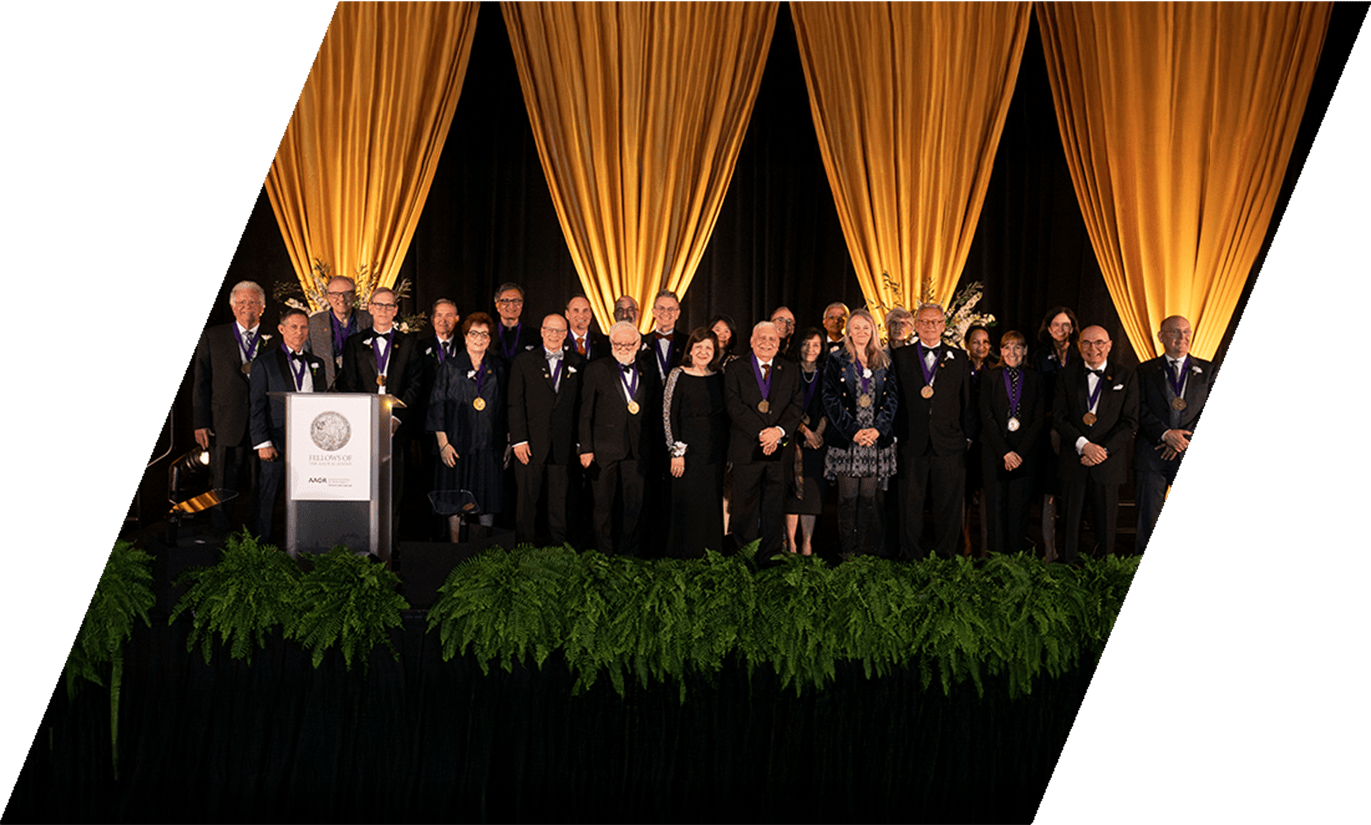


 Newly-medaled Fellows of the AACR Academy at the AACR Annual Meeting 2025.
The AACR Academy was established in 2013 to recognize and honor distinguished scientists whose major scientific contributions have propelled significant innovation and progress against cancer. The Fellows of the AACR Academy provide advice and counsel to AACR leadership on questions of science and public policy.


Elaine Fuchs, PhD, FAACR
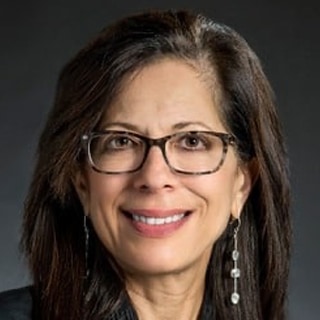
Elizabeth M. Jaffee, MD, FAACR

John M. Carethers, MD, FAACR (2024–2027)
Silvia C. Formenti, MD, FAACR (2024–2027)
Jennifer R. Grandis, MD, FAACR (2024–2027)
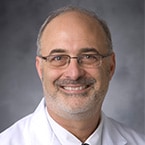
Michael Kastan, MD, PhD, FAACR (2024–2025)

Dana Pe’er, PhD, FAACR (2025–2028)
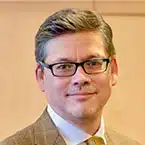
Timothy R. Rebbeck, PhD, FAACR (2024–2027)
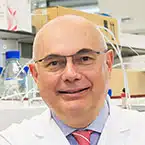
Josep Tabernero, MD, PhD, FAACR (2025–2028)
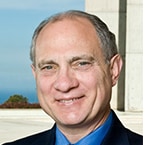
Geoffrey M. Wahl, PhD, FAACR (2024–2025)
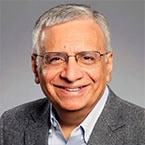
Rafi Ahmed, PhD
Emory University School of Medicine
Atlanta, Georgia
For groundbreaking contributions to immunology that defined the regulation of T-cell memory and exhaustion, paving the way for transformative PD-1 pathway blockade therapies.
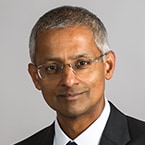
Sir Shankar Balasubramanian, PhD
University of Cambridge
Cambridge, United Kingdom
For pioneering research in nucleic acid research and for leading the development of next-generation sequencing technology to identify DNA gene sequences, thereby revolutionizing genome analysis and precision cancer medicine.
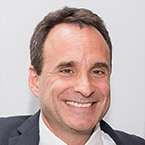
Bradley Bernstein, MD, PhD
Dana-Farber Cancer Institute
Cambridge, Massachusetts
For seminal contributions to cancer epigenetics, including the discovery of bivalent chromatin domains that regulate developmental gene activation and the role of IDH mutations in disrupting chromosomal topology, resulting in the establishment of new mechanisms by which to characterize tumors and optimize therapeutic strategies.
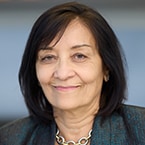
Nina Bhardwaj MD, PhD
Icahn School of Medicine at Mount Sinai
New York, New York
For lauded research contributions to human dendritic cell biology, including the development of Toll-like receptor agonist- and dendritic cell-based vaccines for cancer and infectious diseases, and for leading clinical trials integrating checkpoint immunotherapies and innovative immunoadjuvants to advance patient care.
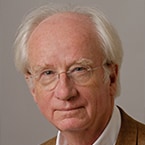
Piet Borst, MD, PhD
Netherlands Cancer Institute
Amsterdam, The Netherlands
For paramount advancements to molecular biology and parasitology, including uncovering the mechanisms of surface protein gene relocation in parasites, characterizing telomere expansion, elucidating P-glycoprotein's role in drug resistance, and pioneering gel electrophoresis as a foundational tool in genetic research.
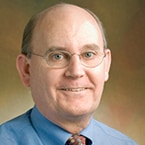
Garrett M. Brodeur, MD
University of Pennsylvania
Philadelphia, Pennsylvania
For invaluable contributions to neuroblastoma research, such as identifying MYCN amplification as a marker of high-risk disease; leading efforts to develop the first International Neuroblastoma Staging System and Risk Grouping that incorporates molecular markers and preclinical development of TRK inhibitors for pediatric solid tumors; organizing pioneering international workshops on pediatric cancer predisposition and surveillance; and developing a novel multivalent nanomedicine (PEEL-24) that is more effective and less toxic than its conventional counterpart, irinotecan.
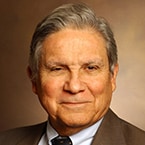
Pelayo Correa, MD
Vanderbilt University Medical Center
Nashville, Tennessee
For illustrious work defining the histological stages of gastric carcinogenesis through the “Correa Cascade” and establishing the link between Helicobacter pylori infection and gastric cancer, fundamentally advancing the understanding of the pathology, epidemiology, and prevention of this disease.

Frederic J. de Sauvage, PhD
Genentech, Inc.
South San Francisco, California
For unrivaled investigations leading to the understanding of oncogenic pathways, including the Hedgehog and Wnt signaling pathways, and for spearheading drug development, including vismodegib, the first Hedgehog pathway inhibitor approved for the treatment of advanced basal cell carcinoma.

Caroline Dive, PhD
Cancer Research UK Manchester Institute
Manchester, United Kingdom
For celebrated research in small cell lung cancer, including the development of circulating tumor cell-derived explant models that have advanced the understanding of tumor biology, thereby accelerating biomarker discovery and reducing the need for invasive biopsies, and for transformative studies involving the use of liquid biopsies to monitor tumor evolution.
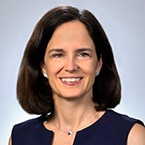
Susan M. Domchek, MD
University of Pennsylvania
Philadelphia, Pennsylvania
For revered contributions to BRCA1/2 cancer susceptibility research, including demonstrating the impact of genetic testing on risk assessment, prevention, and targeted therapies, and for groundbreaking work in developing PARP inhibitors and risk-reducing strategies that have transformed clinical care and outcomes for mutation carriers.
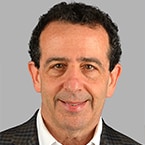
David E. Fisher, MD, PhD
Harvard Medical School
Boston, Massachusetts
For trailblazing research in melanoma and ultraviolet (UV)-related carcinogenesis, including the discovery of UV pigmentation pathways, endorphin-mediated addiction to UV radiation and the development of a melanoma diagnostic test and novel treatment for giant nevi that have significantly advanced the understanding of melanoma cell survival and evasion mechanisms.
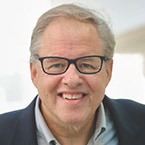
Stephan A. Grupp, MD, PhD
University of Pennsylvania
Philadelphia, Pennsylvania
For exemplary research efforts leading to the development of chimeric antigen receptor-modified T-cell (CAR T-cell) therapy in pediatric patients, thereby revolutionizing personalized cancer treatment and leading to the FDA approval of tisagenlecleucel for B-cell acute lymphoblastic leukemia, the first CART-cell and gene therapy approved for use in patients.
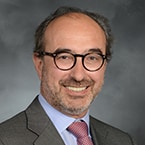
Manuel Hidalgo, MD, PhD
Weill Cornell Medicine
New York, New York
For vital contributions to pancreas cancer research, including the development of patient-derived xenograft models and new treatments such as nab-paclitaxel, and for instrumental efforts in pioneering innovative clinical trial designs and advancing the clinical development of more than 30 new anticancer agents.
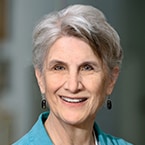
Susan G. Hilsenbeck, PhD
Baylor College of Medicine
Houston, Texas
For critical research in cancer biostatistics, including identifying prognostic and predictive biomarkers, elucidating tumor resistance mechanisms to chemotherapy, and discovering novel subtypes and targets of triple-negative breast cancer, while enhancing the overall scientific rigor of a wide array of clinical investigations.
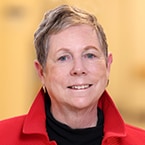
Elaine S. Jaffe, MD
National Cancer Institute
Bethesda, Maryland
For unrivaled research efforts in hematopathology, including revolutionizing the classification of lymphoid neoplasms through the development of the World Health Organization-endorsed REAL (Revised European American Lymphoma) classification, and for defining novel disease entities that have transformed diagnostic standards and patient care in lymphoma and leukemia.
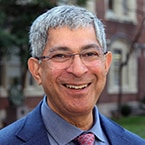
John Kuriyan, PhD
Vanderbilt University
Nashville, Tennessee
For heralded contributions to cell signaling and kinase biology, including the elucidation of the switching mechanisms of tyrosine kinases such as SRC and EGFR, which has advanced the fundamental understanding of signal transduction regulation and informed the development of kinase-targeted therapies for cancer and other malignancies.
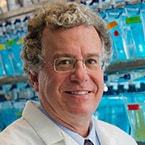
A. Thomas Look, MD
Dana-Farber/Boston Children’s Cancer and Blood Disorders Center
Boston, Massachusetts
For revolutionary discoveries pertaining to the molecular pathogenesis of leukemia, lymphoma, and neuroblastoma, including identifying novel oncogenes such E2A-HLF and NPM-ALK; for elucidating oncogene-driven signaling pathways; and for developing transgenic zebrafish models to identify new molecular targets for childhood cancers.
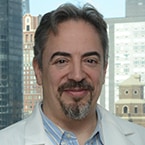
Ari M. Melnick, MD
Weill Cornell Medicine
New York, New York
For pivotal research demonstrating that transcription factors are druggable targets, characterizing epigenetic landscapes in cancer, identifying novel disease mechanisms such as IDH mutation-induced epigenetic events, and defining novel epigenetic mechanisms responsible for disrupting the immune system and promoting malignant transformation.
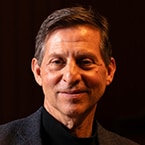
Paul S. Mischel, MD
Stanford University
Stanford, California
For profound contributions to the scientific understanding of the role of extrachromosomal DNA (ecDNA) in cancer development and therapeutic resistance, including the development of innovative techniques to monitor ecDNA segregation during cell division.
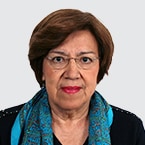
Nubia Muñoz, MD, MPH
Universidad del Valle
Cali, Colombia
For pioneering global epidemiological studies that established the critical link between human papilloma virus (HPV) and cervical cancer, ultimately leading to the development of HPV vaccines, HPV diagnostic tests, and coordinated global efforts to prevent cervical cancer, while simultaneously highlighting the vital importance of population-based studies.
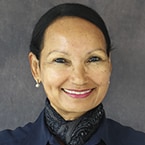
Lisa A. Newman, MD, MPH
NewYork-Presbyterian/Weill Cornell Medical Center
New York, New York
For steadfast commitment to breast cancer disparities research, including the characterization of the genetic origins of triple-negative breast cancer and defining its prevalence in women of African descent by establishing the International Center for the Study of Breast Cancer Subtypes, and for advancing innovative breast surgery techniques that have enhanced comprehensive patient care.
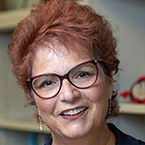
Electra D. Paskett, PhD, MSPH
The Ohio State University
Columbus, Ohio
For invaluable contributions to cancer screening, prevention, and survivorship in underserved and high-risk populations for breast, cervical, and colorectal cancer, as well as for seminal studies that established aspirin’s role in preventing colorectal adenomas and duloxetine's impact on improving patient quality of life following chemotherapy.
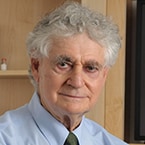
Ira Pastan, MD
National Cancer Institute
Bethesda, Maryland
For visionary contributions to cancer therapy through the development of recombinant immunotoxins, a groundbreaking class of targeted drugs that selectively kill cancer cells, in turn revolutionizing treatments for solid tumors, leukemia, and mesothelioma; and for advancing the field of receptor biology, which has ultimately contributed to the establishment of targeted antibodies as a cancer therapy.
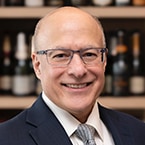
William R. Sellers, MD
Dana-Farber Cancer Institute and Harvard Medical School
Boston, Massachusetts
For vital contributions to cancer genomics and drug discovery, including codiscovering EGFR mutations in lung cancer, discovering the role of MITF as a lineage oncogene in melanoma, leading the development of the Cancer Cell Line Encyclopedia initiative, and advancing over 35 cancer therapeutics into clinical trials, effectively revolutionizing precision medicine for a diverse array of cancer types.
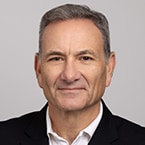
David Sidransky, MD
Johns Hopkins School of Medicine
Baltimore, Maryland
For revolutionizing non-invasive liquid biopsy techniques for early cancer detection in tobacco-associated tumors, as well as being the first to identify genetic alterations in body fluids, leading to significant advancements in diagnostic methods and therapeutic drug development.
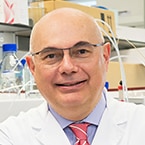
Josep Tabernero, MD, PhD
Vall d’Hebron Institute of Oncology
Barcelona, Spain
For cutting-edge contributions to translational gastrointestinal cancer research, from the biological basis of disease to the clinical implementation of novel therapies and application of biomarkers in clinical trials; for the development of patient-derived xenograft models that have advanced therapies targeting the HER/ERK and PI3K signaling pathways in RAS/RAF-wild type and -mutant cancers; and for identifying predictive biomarkers to optimize treatment response and overcome therapeutic resistance.
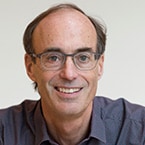
Ronald D. Vale, PhD
Howard Hughes Medical Institute
Ashburn, Virginia
For essential discoveries involving the mechanics of cellular motor proteins, including the identification of kinesin and its role in cellular processes including cell division and transport, and for unraveling the dynamics of dynein, leading to potential cancer therapies targeting both kinesin and dynein that have resulted in fundamental insights into the mechanisms of cancer metastases.
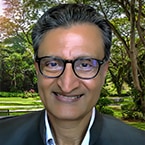
Ashok Venkitaraman, MBBS, PhD
Agency for Science, Technology & Research (A*STAR)
Singapore
For pioneering research elucidating the tumor suppressive functions of the hereditary breast cancer gene BRCA2 in genome maintenance, uncovering the mechanisms responsible for carcinogenesis in BRCA2 mutation carriers, and advancing technologies to accelerate drug discovery, thereby establishing a foundation for the development of novel cancer therapies.

Robert H. Vonderheide, MD, DPhil
University of Pennsylvania Health System
Philadelphia, Pennsylvania
For groundbreaking research involving the integration of basic and clinical investigations to advance the establishment of novel cancer immunotherapies such as vaccines, antibody-based therapies, and adoptive T-cell therapies, and for defining the immunobiology of tumor microenvironments through the use of genetically engineered mouse models.
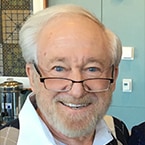
John N. Weinstein, MD, PhD
The University of Texas MD Anderson Cancer Center
Houston, Texas
For pioneering multi-omic molecular profiling of cancers in the laboratory and on the computer, including customization of cell management and assay methodologies, introduction of the Clustered Heat Map, and early innovations in artificial intelligence for cancer drug discovery. Those contributions preceded and influenced The Cancer Genome Atlas, Cancer Cell Line Encyclopedia, and many subsequent multi-omic projects in which he has participated or led.

Paul Workman, PhD
The Institute of Cancer Research
London, United Kingdom
For instrumental advancements to cancer drug development, including the discovery of the HSP90 inhibitor NVP-AUY922 (luminespib), the PI3K inhibitor GDC-0941 (pictilisib), the AKT inhibitor AZD5363 (capivasertib), and the EGFR inhibitor ZD1839 (gefitinib); and for conceptualizing the “Pharmacological Audit Trail,” a biomarker-driven framework that has revolutionized rational decision-making in the establishment of oncology therapeutics.
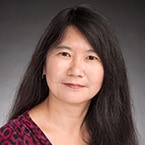
Jinghui Zhang, PhD
St. Jude Children's Research Hospital
Memphis, Tennessee
For pioneering innovative analytical and visualization tools tailored for pediatric cancer research that have led to the definition of the molecular drivers of more than 20 cancer subtypes, and for pioneering the St. Jude Cloud platform for genomic data sharing and analysis of patient samples for more than 10,000 cancer patients and survivors that has provided crucial insights into the genetic origins of pediatric cancer.

Leonard I. Zon, MD
Harvard Medical School
Boston, Massachusetts
For fundamental research contributions to the establishment of zebrafish as a viable and effective model for the investigation of hematopoiesis and cancer, which led to the discovery of neural crest transformation as a driver of melanoma initiation and PGE2’s critical role in enhancing hematopoietic stem cell transplantation.
AACR Scientific Achievement Awards and Lectureships recognize exceptional individuals who drive progress against cancer across multiple fronts. Recipients are honored for advancing scientific innovation, building critical collaborations, and developing the cancer workforce in service of AACR’s mission.
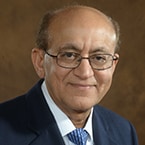
AACR Award for Lifetime Achievement in Cancer Research
Rakesh K. Jain, PhD, FAACR
Harvard Medical School
Massachusetts General Hospital
Boston, Massachusetts
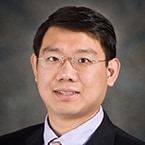
AACR Award for Outstanding Achievement in Basic Cancer Research
Han Liang, PhD
The University of Texas MD Anderson Cancer Center
Houston, Texas
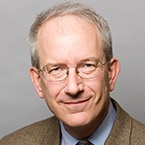
AACR Award for Outstanding Achievement in Blood Cancer Research
Louis M. Staudt, MD, PhD, FAACR
National Cancer Institute
Bethesda, Maryland

AACR Award for Outstanding Achievement in Chemistry in Cancer Research
Shiva Malek, PhD
Novartis Biomedical Research
Cambridge, Massachusetts
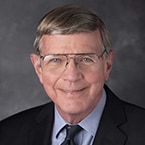
AACR Daniel D. Von Hoff Award for Outstanding Contributions to Education and Training in Cancer Research
Robert C. Bast Jr., MD
The University of Texas MD Anderson Cancer Center
Houston, Texas
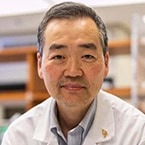
AACR Distinguished Lectureship in Breast Cancer Research
Ben Ho Park, MD, PhD
Vanderbilt University
Nashville, Tennessee
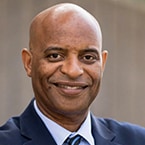
AACR Distinguished Lectureship on the Science of Cancer Health Disparities
John M. Carethers, MD, FAACR
University of California San Diego
San Diego, California

AACR James S. Ewing-Thelma B. Dunn Award for Outstanding Achievement in Pathology in Cancer Research
Matthew L. Meyerson, MD, PhD, FAACR
Harvard Medical School
Dana-Farber Cancer Institute
Boston, Massachusetts
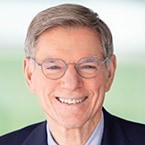
AACR-Margaret Foti Award for Leadership and Extraordinary Achievements in Cancer Research
William N. Hait, MD, PhD, FAACR
Johnson & Johnson (retired)
Princeton, New Jersey
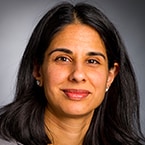
AACR Outstanding Investigator Award for Breast Cancer Research
Sara M. Tolaney, MD, MPH
Harvard Medical School
Dana-Farber Cancer Institute
Boston, Massachusetts
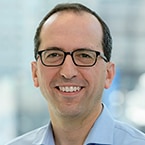
AACR Team Science Award
MSK-IMPACT
Team Leader: Michael Berger, PhD
Memorial Sloan Kettering Cancer Center
New York, New York
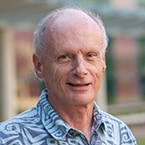
AACR-American Cancer Society Award for Research Excellence in Cancer Epidemiology and Prevention
Loïc Le Marchand, MD, PhD, MPH
University of Hawaiʻi Cancer Center
Manoa, Hawaiʻi
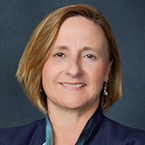
AACR-Cancer Research Institute Lloyd J. Old Award in Cancer Immunology
Crystal L. Mackall, MD, FAACR
Stanford University
Stanford, California

AACR-G.H.A. Clowes Award for Outstanding Basic Cancer Research
Karen H. Vousden, PhD, FAACR
Cancer Research UK
London, United Kingdom
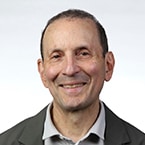
AACR-Irving Weinstein Foundation Distinguished Lectureship
Daniel J. Drucker, MD
University of Toronto
Toronto, Ontario, Canada
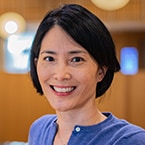
AACR-Joseph H. Burchenal Award for Outstanding Achievement in Clinical Cancer Research
Alice T. Shaw, MD, PhD
Dana-Farber Cancer Institute
Boston, Massachusetts
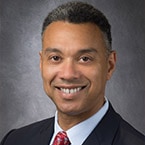
AACR-Minorities in Cancer Research Jane Cooke Wright Lectureship
Christopher R. Flowers, MD
The University of Texas MD Anderson Cancer Center
Houston, Texas
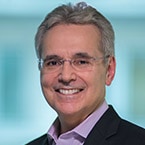
AACR Princess Takamatsu Memorial Lectureship
Ronald A. DePinho, MD, FAACR
The University of Texas MD Anderson Cancer Center
Houston, Texas
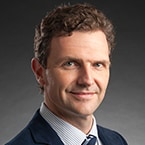
AACR-St. Baldrick’s Foundation Award for Outstanding Achievement in Pediatric Cancer Research
Charles G. Mullighan, MBBS (Hons), MSc, MD
St. Jude Children's Research Hospital
Memphis, Tennessee
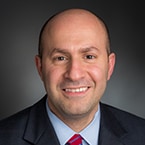
AACR-Waun Ki Hong Award for Outstanding Achievement in Translational and Clinical Cancer Research
Toni K. Choueiri, MD
Harvard Medical School
Dana-Farber Cancer Institute
Boston, Massachusetts
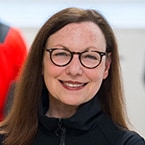
AACR-Women in Cancer Research Charlotte Friend Lectureship
Shelley L. Berger, PhD, FAACR
University of Pennsylvania
Philadelphia, Pennsylvania
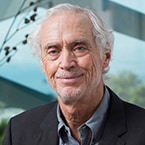
Pezcoller Foundation-American Association for Cancer Research International Award for Extraordinary Achievement in Cancer Research
Douglas Hanahan, PhD, FAACR
Ludwig Institute for Cancer Research
Lausanne, Switzerland

